10 THINGS TO DO BEFORE YOU TURN 25
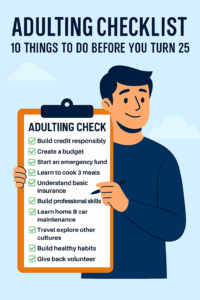
1. Build Credit Responsibly
Kyle may have made a risky financial move by trading in his perfectly good 3-year-old car for a newer model, but he’s been diligent about paying off his debts. His credit score is climbing because he pays on time and monitors his accounts closely.
Why it matters: Credit affects everything from renting an apartment to getting a loan and even job applications. Building credit early through responsible use of credit cards or auto loans sets you up for long-term success.
Tip: Use tools like Credit Karma or your bank’s app to track your score. Pay more than the minimum and avoid maxing out your cards.
2. Create a Budget and Stick to It
Kyle uses budgeting apps to track his spending, but his love for cars sometimes overrides his financial plan. His recent car purchase wasn’t necessary, but it reflects a common challenge: emotional spending.
Why it matters: Budgeting helps you prioritize needs over wants. It’s not about restriction. It’s about clarity. Kyle’s app helps him see where his money goes, even if he doesn’t always follow it.
Tip: Set categories for essentials, savings, and fun. Review your budget weekly and adjust as needed.
3. Start an Emergency Fund
Kyle hasn’t built his emergency fund yet, but he knows it’s time. With plans to start a family and pursue a teaching career, unexpected expenses could derail his goals.
Why it matters: An emergency fund protects you from life’s curveballs like medical bills, car repairs, or job loss. Even $25 a week adds up over time.
Tip: Open a separate savings account and automate transfers. Aim for 3 to 6 months of living expenses.
4. Learn to Cook Three Signature Meals
Kyle’s mastered a few cheap, easy meals and even meal preps when he’s not eating at the school café. Cooking isn’t just a survival skill. It’s a money-saver and a confidence booster.
Why it matters: Cooking at home saves hundreds each month. It also helps you eat healthier and impress friends or dates.
Tip: Start with one breakfast, one lunch, and one dinner. Learn to batch cook and freeze leftovers.
5. Understand Basic Insurance Coverage
Even though Kyle isn’t an insurance expert, he’s aware of the basics. He knows renters insurance protects his belongings and that health insurance is essential, especially with his car hobby and active lifestyle.
Why it matters: Insurance protects your finances when things go wrong. Understanding your coverage helps you avoid surprise bills.
Tip: Review your policies annually. Know your deductibles, coverage limits, and exclusions.
6. Build Professional Skills
Kyle’s marketing studies are preparing him for a teaching career, but he’s also learning soft skills like communication, time management, and adaptability. These are just as important as technical knowledge.
Why it matters: Employers want more than degrees. They want people who can lead, collaborate, and solve problems.
Tip: Join clubs, take internships, or volunteer. Practice public speaking and learn basic Excel or Canva skills.
7. Learn Basic Car and Home Maintenance
Kyle’s ahead of the curve here. His dad was a mechanic, so he knows how to fix almost anything on a car. Ironically, he rarely needs to. His cars are always new. Instead, he spends money on gadgets and upgrades.
Why it matters: Knowing how to change a tire, unclog a drain, or reset a breaker saves time and money. It also builds independence.
Tip: Watch YouTube tutorials or take a basic maintenance class. Keep a toolkit and emergency supplies in your car.
8. Travel or Explore New Cultures
Kyle hasn’t traveled much yet, but he’s saving for a trip. He knows that seeing the world, even just a new city, expands your perspective and teaches you how to plan, budget, and adapt.
Why it matters: Travel builds empathy, confidence, and curiosity. It’s also a great way to learn about yourself.
Tip: Start small with a weekend road trip or study abroad program. Use travel apps to find deals and plan ahead.
9. Build Healthy Habits
Kyle’s meal prep routine is a great start. He’s also thinking more about his future, starting a family, staying active, and managing stress. Adulting includes taking care of your body and mind.
Why it matters: Habits formed in your twenties shape your thirties and beyond. Sleep, exercise, and mental health are foundational.
Tip: Set a sleep schedule, move daily even if it’s just a walk, and check in with yourself emotionally.
10. Give Back or Volunteer
Kyle hasn’t volunteered yet, but he’s interested in mentoring younger students once he starts teaching. Giving back builds community and reminds you that adulting isn’t just about you. It’s about impact.
Why it matters: Volunteering develops leadership, empathy, and purpose. It also connects you to causes that matter.
Tip: Find local opportunities through school, churches, or nonprofits. Even one hour a month makes a difference.
Bonus: Learn to Say No
Kyle’s car purchase is a perfect example of why boundaries matter. Saying no to impulse buys, peer pressure, or over commitment helps protect your time, money, and energy.
Why it matters: Adulting means making choices that align with your goals, not just your cravings.
Tip: Practice saying no politely. Use phrases like “I’m focusing on saving right now” or “I need to think about that.”
Final Thoughts
Kyle’s journey shows that adulting is messy but meaningful. He’s building credit, learning to cook, and thinking about his future, even if he slips up with a flashy car purchase. The key is awareness and action.
This checklist isn’t a rule book. It’s a roadmap. Whether you’re in college, working, or figuring things out, these ten steps help you build a life that’s stable, fulfilling, and ready for what’s next.
Want a Blog Personalized Just for You?
Subscribe to our weekly newsletter at the bottom of this website for a chance to win a custom blog post tailored to your story, questions, and interests.
After subscribing, contact us with your topic ideas or questions you’d like featured. You might be randomly selected to have your story published on Insurance for Newbies, helping others learn through your experience. Check out the rest of our blogs here.
Disclaimer
This blog is intended for educational purposes only. Insurance for Newbies does not sell insurance products or services. The information provided here is meant to help readers understand potential savings opportunities and make informed decisions. Always check with your insurance provider for specific eligibility and details.
Financial Disclaimer: This blog does not offer financial advice. Decisions like purchasing a car, taking out loans, or investing should be made with careful consideration and, when possible, guidance from a licensed financial advisor.