Why Young Adults Don’t Fear Risk and Why That’s a Problem
Introduction
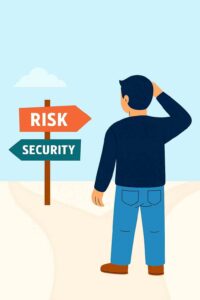
Risk is everywhere. From buying a car to choosing a career path, every decision carries consequences. Yet, many young adults today approach risk with a surprising level of comfort. They’ll sign up for gig work without benefits, travel without insurance, or make big purchases without thinking twice.
At first glance, this confidence looks like independence. But beneath the surface, it reveals a dangerous gap: young adults often underestimate the long-term impact of risk. This blog explores why that mindset exists, how it plays out in real life, and why it could derail their future.
The Culture of Risk-Taking
Young adults grew up in a world that celebrates boldness. Social media rewards adventurous choices, influencers glamorize “living in the moment,” and tech culture praises disruption. Risk feels exciting, even empowering.
But here’s the catch: not all risks are equal. Choosing to backpack across Europe is different from ignoring health insurance. The former builds experience, the latter can lead to financial ruin.
Story: Kyle’s Car Obsession
Kyle, a student at Belmont University, knows cars inside and out thanks to his father’s background as a mechanic. His current car runs perfectly, but he couldn’t resist buying the newest model.
On the surface, it looks harmless. He pays his bills on time, so his credit score is strong. But the bigger picture tells another story. That purchase delayed his emergency fund, stretched his budget, and locked him into payments that limit his flexibility.
Kyle’s risk wasn’t mechanical, it was financial. And like many young adults, he underestimated the ripple effect.
Why Young Adults Underestimate Risk
- Optimism Bias: “It won’t happen to me.”
- Parental Safety Nets: Many assume family will step in if things go wrong.
- Short-Term Thinking: Immediate gratification outweighs long-term planning.
- Cultural Messaging: Society equates risk-taking with bravery and success.
These factors combine to create a mindset where risk feels manageable, even when it isn’t.
The Hidden Costs of Risk
- Financial Strain: Debt from unnecessary purchases or lack of insurance.
- Lost Opportunities: Money tied up in short-term thrills can’t be invested in long-term goals.
- Emotional Stress: Constantly scrambling to cover mistakes erodes confidence.
- Delayed Independence: Risky decisions can keep young adults reliant on parents or credit.
Re-framing Risk: Smart vs. Reckless
Risk isn’t inherently bad. In fact, calculated risks are essential for growth. The problem is when young adults blur the line between smart and reckless.
- Smart Risk: Starting a side hustle, investing in education, traveling with a plan.
- Reckless Risk: Skipping insurance, ignoring budgets, buying luxuries without savings.
The difference lies in preparation. Smart risks expand opportunities. Reckless risks shrink them.
Provocative Question: Is Risk Romanticized Too Much?
Here’s the uncomfortable truth: society romanticizes risk. Movies, music, and social media glorify the “fearless” lifestyle. But what if fear is actually healthy?
Fear forces us to pause, evaluate, and prepare. Without it, young adults may confuse recklessness with courage.
Practical Ways to Rethink Risk
- Build an Emergency Fund: Risk feels less scary when you have a cushion.
- Use Insurance as a Safety Net: It’s not boring, it’s freedom to take smarter risks.
- Budget for Fun: Risk doesn’t mean deprivation. Plan for adventures without sabotaging stability.
- Seek Mentorship: Learn from those who balanced risk and responsibility.
Story: Danny’s Basketball Injury
Danny skipped health insurance because he felt invincible. One broken ankle later, he faced thousands in medical bills. His risk wasn’t playing basketball, it was ignoring coverage.
This story highlights the difference between unavoidable risks and preventable ones.
The Future of Risk for Young Adults
As gig work, entrepreneurship, and global travel become more common, risk will only grow. The challenge isn’t eliminating risk, it’s teaching young adults to manage it.
Educational systems rarely cover financial literacy or insurance basics. That leaves young adults unprepared, relying on trial and error. Thought leadership means asking: should we rethink what schools teach about risk?
Final Thoughts
Young adults don’t fear risk, and that confidence can be inspiring. But unchecked, it becomes dangerous. Kyle’s car purchase, Danny’s injury, and countless other stories show how small risks snowball into big consequences.
The solution isn’t to avoid risk. It’s to respect it. By re-framing risk as something to be managed, not ignored, young adults can embrace independence without sacrificing their future. This blog is intended to have help you potentially start thinking about your future. We want you to begin to think ahead so you can protect yourself when potential bad things happen. Protecting yourself will remove much of your stress in the future.
Want a Blog Personalized Just for You?
Subscribe to our weekly newsletter at the bottom of this website for a chance to win a custom blog post tailored to your story, questions, and interests.
After subscribing, contact us with your topic ideas or questions you’d like featured. You might be randomly selected to have your story published on Insurance for Newbies, helping others learn through your experience. Check out the rest of our blogs here.
Disclaimer
This blog is intended for educational purposes only. Insurance for Newbies does not sell insurance products or services. The information provided here is meant to help readers understand potential savings opportunities and make informed decisions. Always check with your insurance provider for specific eligibility and details.
Financial Disclaimer: This blog does not offer financial advice. Decisions like purchasing a car, taking out loans, or investing should be made with careful consideration and, when possible, guidance from a licensed financial advisor.


